
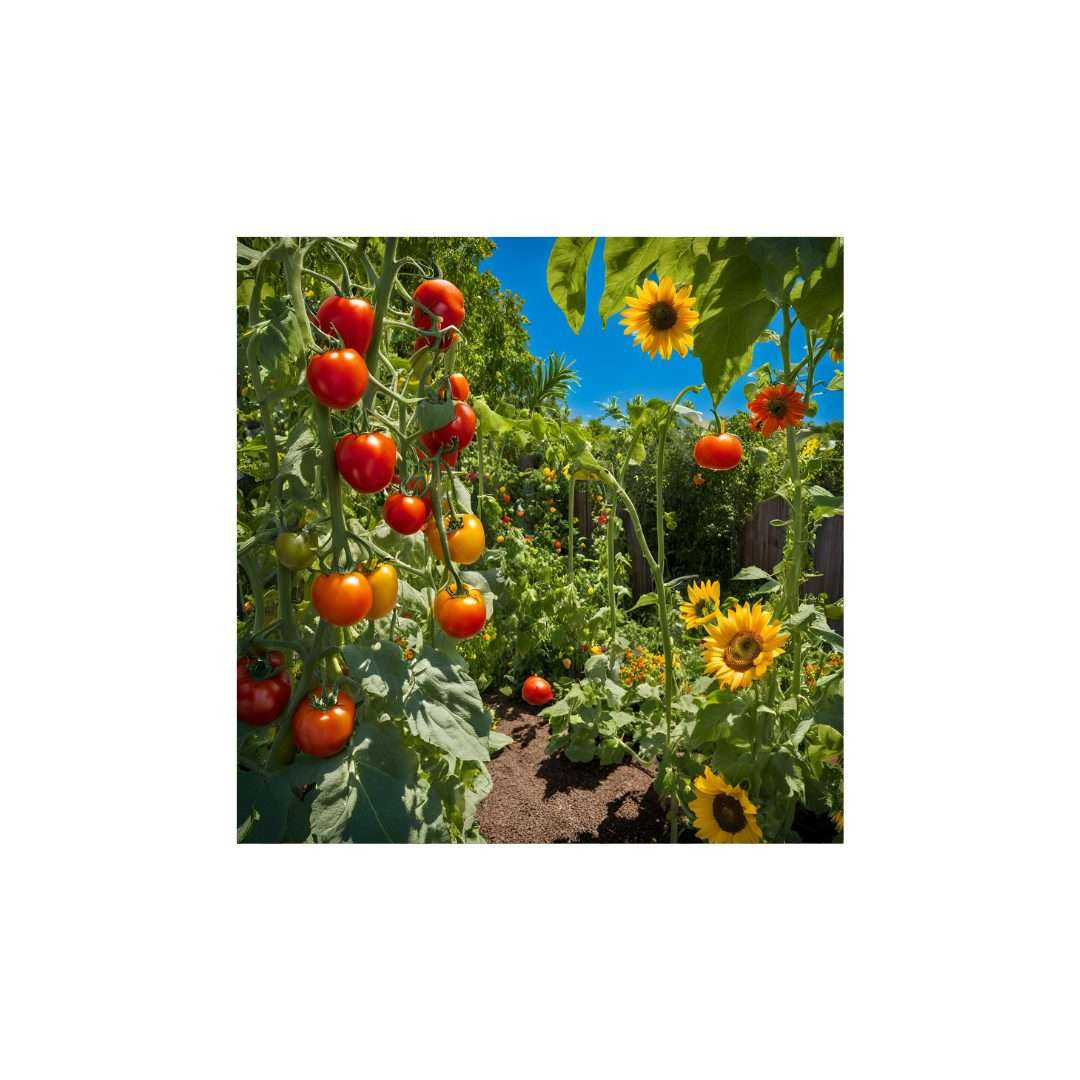
February is a fantastic month for gardening in Florida, offering a wide range of planting opportunities as the weather begins to warm up. The two hurricanes last season rocked my garden experience. I’m literally almost back to square one in half of my border gardens. I’ve been absent here because I wasn’t inspired. However, inspiration always comes back around if you allow yourself to dream.
Here’s a guide to help you make the most of your garden this month:
Annuals/Bedding Plants
February is an good time to plant annuals that thrive in cooler weather and add color to the landscape. Consider adding petunias, pansies, verbenas, dianthus, strawflowers, or lobelia to your garden. Be sure to protect these from frosts and freezing temperatures that can still occur this month.
Bulbs
Many bulbs can be planted in February. Provide adequate water for establishment and protect them with mulch from potential late cold weather. Good options include Amazon lily, crinum, and agapanthus. These lily varieties do well in Florida and will last almost to the scorching heat of summer. .
Vegetables
February is a versatile month for planting both warm- and cool-season vegetables. Be prepared to protect cold-tender vegetables if a frost or freeze is predicted. You are a little behind the curve If you didn’t start your cool-season seeds in January. However, you can still sow seeds with a goal of transplanting to the garden in early March. You can still plant arugula, spinach, and chard. Squash varieties will still do well, and cucumbers, beets, eggplant, peppers, and tomatoes. It’s also time to plant cantaloupe and watermelon if you have the space.
If you’re a beginner growing vegetables, I recommend you start small. Don’t tear up all your yard to put in a huge vegetable garden. You can start with a few pepper and tomato plants on the patio.
Other plants to consider for your February Garden
Azaleas are in full bloom in February, so it’s a great time to select varieties for the landscape. •
Camellias can still be selected and planted now. You can find a wide variety of colors and forms at local nurseries or the public garden sales. Camellias are popular in Southern landscapes and grow well in partial shade.
February Garden Chore List
Beyond planting, there are a few other tasks to keep in mind in your Florida garden in February:
- Palms that have been damaged by cold should be given proper care to encourage recovery.
- Citrus trees should be checked for scab disease, and a copper fungicide can be applied when new leaves appear and again when two-thirds of the flower blossoms have fallen off.
- Roses should be pruned to remove damaged canes and improve their overall form. After pruning, fertilize and apply a fresh layer of mulch.
- Shrubs should be fertilized evenly over the soil and water it in, followed by a layer of mulch.
- Lawns should have a pre-emergence weed killer (not a “weed and feed”) applied to prevent germination of warm-season weed seeds. I always struggled with applying week preventative, and I’ve learned through trial and error that the end of Winter is the best time. Apply when temperatures rise to 65°F for 4–5 days.
- Citrus and other fruit trees should be fertilized if not done in January.
General Tips for Florida Gardening
It’s time to add mulch to all gardens. After weeding and trimming the perennials, add enough mulch to cover the soil making sure you keep a 6-inch bare strip between the bed and any structures. Maintaining the mulch ground cover will help to conserve moisture and reduce weeds this summer.
Now is also a good time to adjust the irrigation system. Our plants will soon begin budding and leafing out, and we will need to return to regular watering schedules soon.
Pruning non-spring flowering shrubs and trees should be done this month to get them into shape. The standard legustrum, pitisporum, boxwoods, junipers and other green anchor shrubs can be trimmed up now. Azaleas and camelias should be trimmed after their flowers fall.
Pest control using horticultural oil should be applied to citrus, shrubs, camellias, and deciduous fruit trees while they are dormant.
By taking these steps in February, you’ll be well on your way to a thriving and beautiful Florida garden. Remember to adjust your planting and care based on the specific conditions in your area and always keep an eye on weather forecasts for any unexpected freezes.