
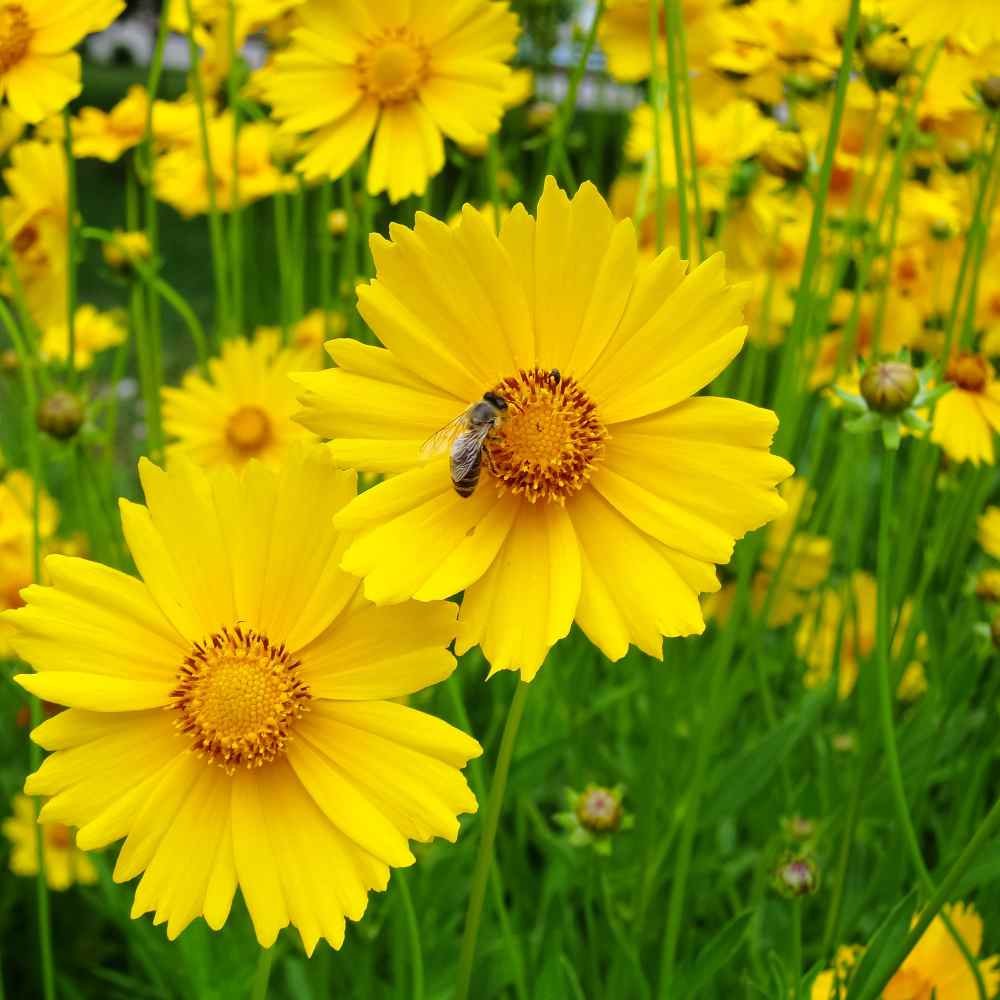
I thought Florida’s native plants were all green foliage and no color—like a jungle. I was wrong. After 40 years of living in the South, I decided to learn about Florida’s native plants through master gardeners, books, and websites that teach us the difference between native plants and invasive fauna. residents. Some nurseries even thrive by stocking only the trees, shrubs, and flowers that thrive in Florida’s heat and humidity.
What Are Native Plants?
The best resource I located is the Florida Native Plant Society database of qualified native trees, shrubs, vines, and flowers. This index includes thousands of entries with detailed growing information.
The 2026 winter freeze damaged and destroyed many residents’ palm trees, tropical plants, and hibiscus hedges. Now we’re all considering native plants when replacing those more tender varieties.
Why I’m Choosing Native Plants
Native plants thrive in the unforgiving subtropical environment of the Deep South. They grow in poor sandy soils, heat, and humidity. Once established, they reseed annually and often require fewer pesticides and irrigation.
It’s pretty simple to satisfy every gardener’s taste. Florida has more than 4,700 native and naturalized plant species, including wildflowers, groundcovers, grasses, trees, vines, and shrubs. A gardener who chooses from this broad range of options can create a colorful display with year-round curb appeal while attracting the best pollinators and birds. Selecting native plants can be satisfying and beautiful. As a bonus, native species are generally resistant to disease and pests.
These plants also come in a variety of sizes and colors and often have useful attributes — like texture or scent — that keep bugs and pests away from home doors and entrances. Native plants typically acclimate quickly and require less water.
How to Incorporate Native Plants into Your Garden
The surge in interest in Florida native plants this year is probably related to the massive losses from back-to-back freezes that killed so much of Florida’s landscape. I lost 30 percent of all my garden plants. Now I am focused on incorporating native species into my landscape that can tolerate the weather shifts.
Some of the established plants I thought were dead in February are coming back from the ground. It will take years for them to recover completely. But I need to keep their mature height in mind as I add new plants. I’ve broken down each area into distinct layers to consider.
| Layer | Plant Type | Benefits |
|---|---|---|
| Canopy (Trees) | Trees & Palms | shade, soil stability |
| Shrubbery | Bushes and plants with a maximum height of 5 feet | texture, pops of color, food |
| Groundcover / Perennials | Weed barrier & cutting flowers | controls soil erosion, suppresses weeds, and color pallette |
The next challenge is identifying each space’s microclimate. My backyard is full sun. My front yard is almost entirely shady. Two spots in the far southeastern corner are best suited to wildflowers and heavy, water-consuming plants because they flood during heavy rains. On the opposite side is a 40-foot bed that is prone to drought because the soil is mostly sand.
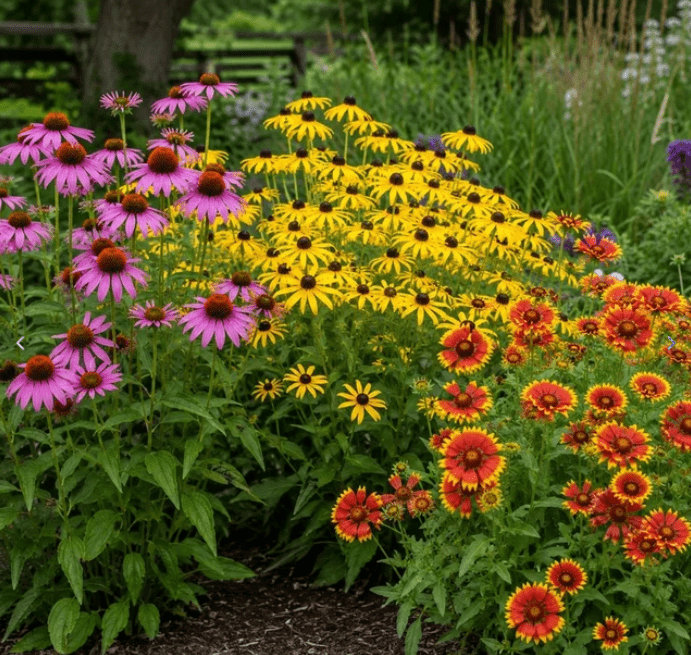
After considering all of this, I come to a personal preference. I like a lot of color in the garden. Coreopsis, cosmos, blanket flowers, lantana, and coneflower all provide a summer show.
Misconceptions About Native Plants
Myth: Using Native Plants Means Untamed
New residents typically try to plant the gardens of their northern homes. Mother Nature steps in, and the northern plants fail or struggle in the hot, humid South. After a trial-and-error period, new residents learn which native plants can be swapped into a garden design to get the desired impact.
In practice, any plant can look messy if neglected, and manicured if managed. Native landscaping does not mean giving up on design structure. We have sculpted seagrape hedges and trained flowery hibiscus trees, set among manicured lawns across Florida.
Myth: Native Landscape Plants are Zero Maintenance
Native plants are resilient once they acclimate to their new home, but they are not bulletproof on day one. Native plants require control, too. New plantings require regular watering. Sandy Florida soil still needs compost and fertilizer for the best results. A beautiful garden is always a work in progress.
Truth: Native Plants Can Be Aggressive, Not Invasive
It’s easy to confuse the terms invasive and aggressive when it comes to native plants. By definition, a native plant cannot be invasive. Invasive plants are introduced from other regions and lack local natural controls (herbivores, pests, diseases). They spread aggressively, choking out and disrupting local food webs. My Tibouchina (princess flower) is entangled and overtaken by an invasive morning glory vine. I’ll spend several hours trying to eliminate the morning glory from my garden because it is a known invasive plant.
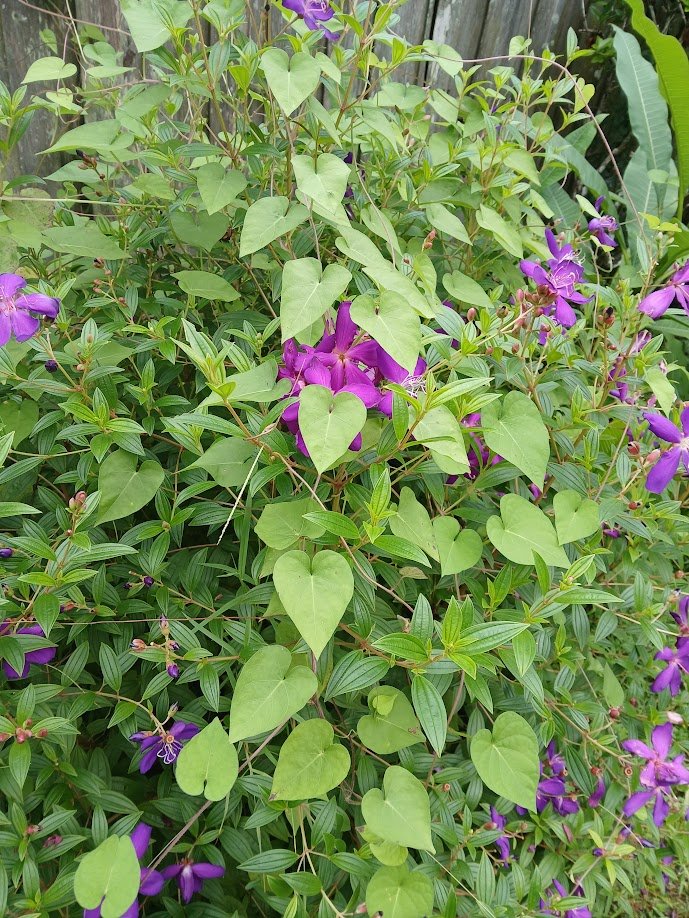
Aggressive native plants can disrupt our environment, too. Florida’s most aggressive growers include ground covers and vines. They can overrun lawns and bushes by blanketing them with new growth and create so much more work for an unprepared gardener.
Myth: Native Plants Require More Water
A native plant environment usually requires less water than other landscapes. Native plants can typically survive on natural rainfall once established. It’s hard to create a landscape made up entirely of native plants. My St. Augustine lawn isn’t native and needs regular irrigation. Do your research when designing landscape areas to group water-dependent non-native species together.
Visit your local horticulture center anytime to find enthusiasts promoting native plants and the knowledge to help ensure success!