
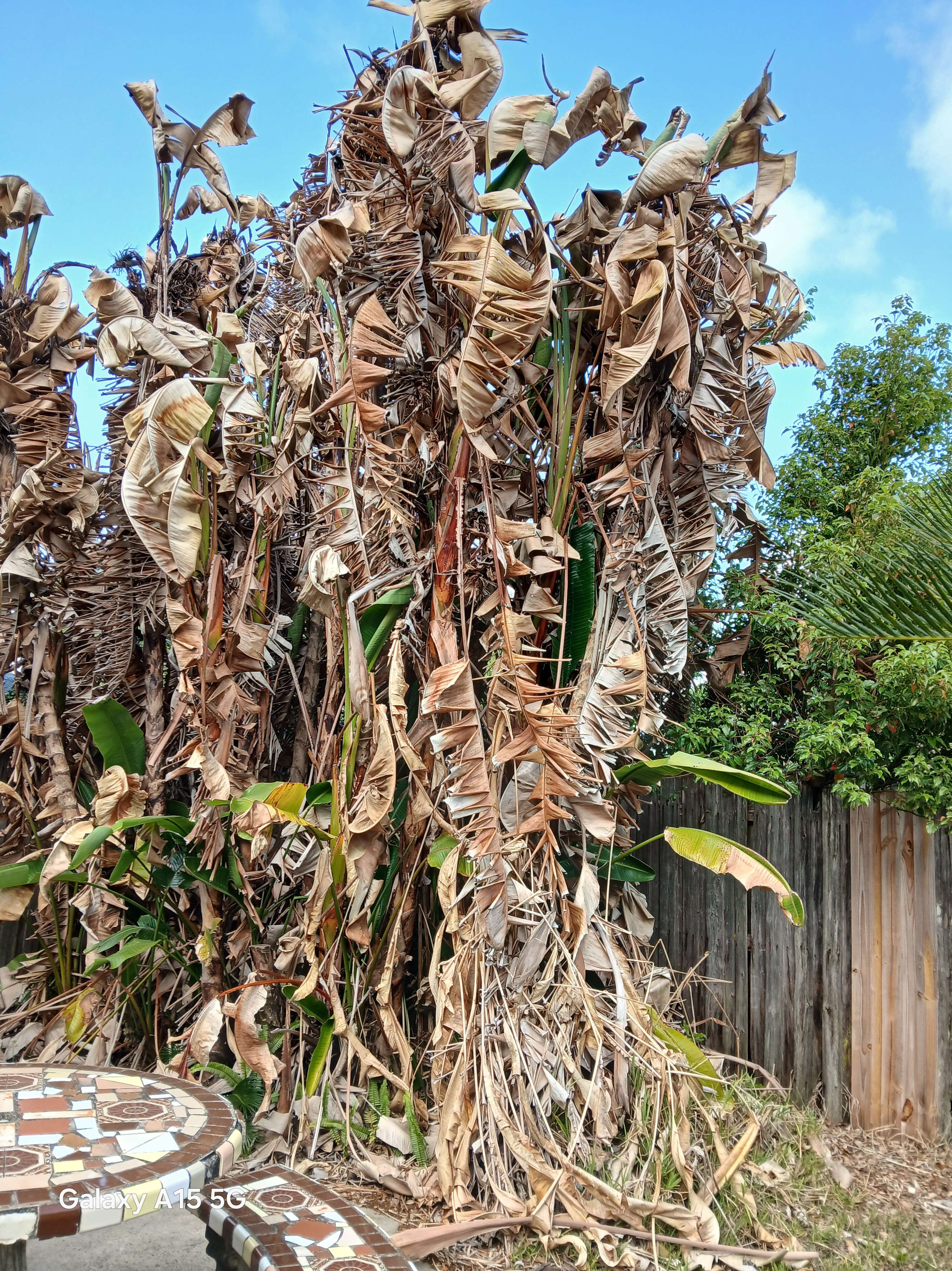
February was “heartbreak month” in Florida’s landscapes. It brought us a once-in-a-decade deep freeze. I wondered for the last 60 days whether my yard would recover. If you live in an area that regularly sees snow, this 32-degree milestone will sound ridiculous. But in Central Florida, bad things happen when temperatures drop below 32 degrees. January 31st and February 1st saw our temperatures drop into the low 20s for several hours. This deep freeze changed the landscape for commercial farmers and residential gardeners.
It’s taken me months to gather my thoughts and to put them in perspective. I’ve lost thousands of dollars of plant life around my house. But it isn’t a life crisis like having a family member die. My garden was overwhelmingly tropical plants like hibiscus, plumeria, crotons, palm trees, and one enormous bird of paradise.
Time and Patience in the Garden
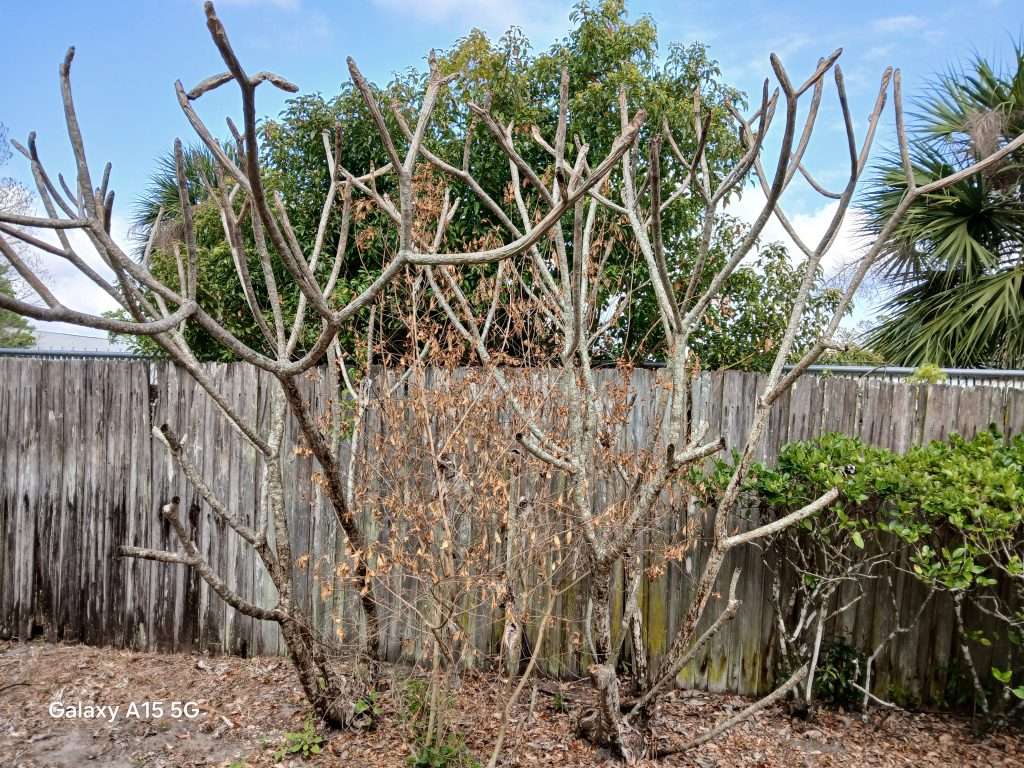
My heart swings between determination to rebuild and total despair. But I think determination is starting to win out. I spent Easter week removing the plants that are now no longer viable. I enriched the soil with compost and started evaluating which heartier plants I could choose to fill in the bare spots.
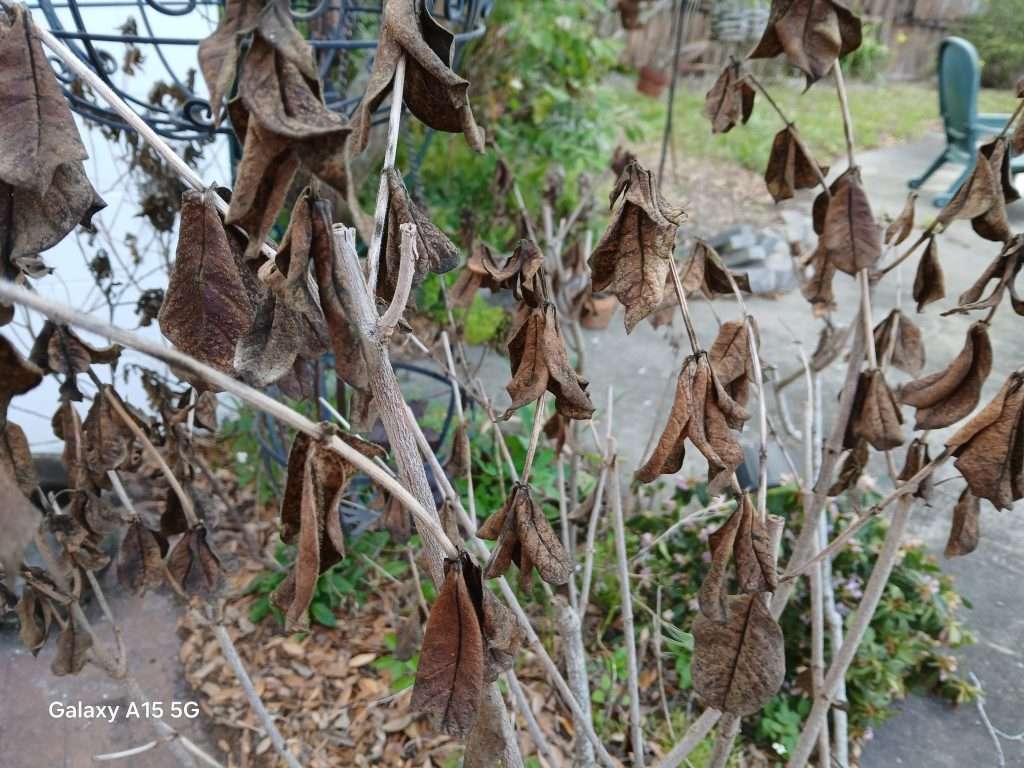
A big deep freeze teaches a southern gardener patience. The neighborhood still looks very brown two months later. The “freeze shock” was devastating. We had the biggest oak leaf drop I’ve seen in 40 years. Many plants are regenerating from the ground. My 5-foot-high hibiscus hedge is 6 inches tall today. Some of my plumeria trees, nearly 10 feet tall, had to be cut to the ground to stop the damage. My 40-year-old crotons still don’t show any signs of life.
I started trimming the front yard, and, as with the backyard, I chopped most plants right to the ground.
Here are my rules for rebuilding any garden experience. If you are tearing out because of a freeze or because your bushes and trees have reached their declining years, these steps can help you visualize a new garden path.
The five steps to recovery after a landscape freeze.
- Clean Up
You can’t see anything clearly without removing what is damaged, declining, or dead. It takes effort. Always start with the cleanup.
- Wait
Be patient before you run to nurseries, big-box stores, or catalogs to purchase replacement plants. I’m seeing a few tropical plants push new growth to the surface. It will take years for them to recover. It’s worth the wait. If you never liked the plant or its placement, by all means, tear it out. But it is also true that a plant that fights to survive may be even more beautiful if you give it the chance to come back. - Nurish
One big plus to having the yard stripped back to the ground is the rare opportunity to rebuild the soil. There are fewer roots and limbs to work around. Adding compost and new soil is much easier when the landscape is completely flat. - Remove
Access is perfect for tearing out weeds and unwanted plants. As noted above, sometimes a plant survives that you never liked. Now is the time to take it out and start again. The previous homeowners here planted asparagus ferns between bushes in the front yard. It’s almost impossible to get rid of without damaging nearby plants. When it reseeds, it always goes to the roots of neighboring plants. I think this freeze might signal their end. - Replant
I will choose more native species that can tolerate heat and cold. I will purchase low-maintenance plants for the front yard. I will buy plants for the backyard that produce colors and fruits.
The overriding lesson I learned this year is to take my time repairing the garden. It’s a journey, not a project.
One Comment