
A weekend vacation often whets my appetite to get back into the garden and recreate structures and color palettes I see while traveling.
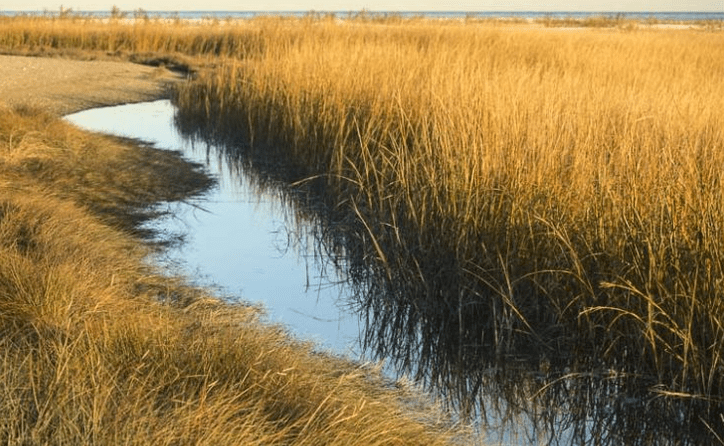
I am a September baby. To celebrate my 2026 birthday, I planned a road trip to the Georgia Golden Isles and specifically Jekyll Island. Southeast Georgia’s barrier islands are named after the salt marsh grasses that turn golden during the Fall. The area also has a lot of folklore about its wealthy industrialists that romanticizes the region’s rich history.
Jekyll offers every vacationer that rare blend of pristine marshlands, maritime forests, and uncrowded beaches. The island has a colorful history and is full of stories, dramatic architecture, and beautiful landscapes.
Jekyll Island’s Birth
Today, the state owns Jekyll Island, and Georgia’s Parks Department maintains the streets, the Jekyll Island Resort, and the tours of buildings and beach areas.
Georgia law limits development to roughly 35%, leaving most of its 5,700 acres changed only by Mother Nature. Whether you are an avid birdwatcher, a beachcomber, or simply looking to unwind under a canopy of oak trees dripping in Spanish moss, this barrier island provides an ideal escape into nature.
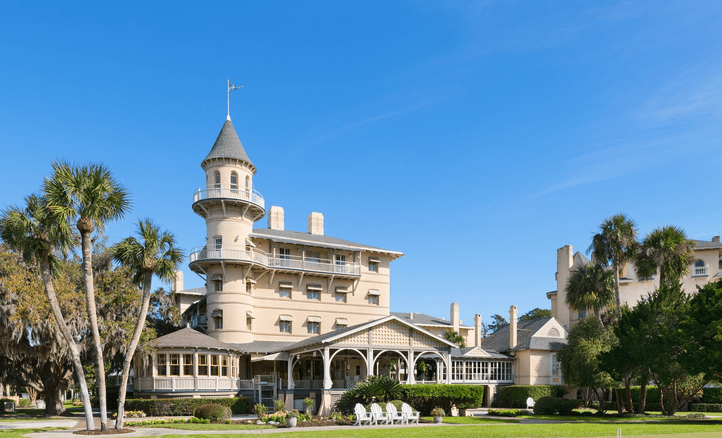
Charles A. Alexander of Chicago planned the sprawling Queen Anne-style main building, which opened for the 1888 season, that still survives today as a year-round resort. Horace William Shaler Cleveland laid out the original grounds and landscaping.
Cleveland carefully laid out the roads and lots to avoid disturbing the natural landscape and the areas where deer and wild fowl thrived.
The Original Influencers
British officer William Horton became the first publicly recorded landowner of Jekyll in 1735. Native American people occupied the land for centuries before European colonization. Colonial Horton operated a rice plantation on the property, and upon his death, it was sold to the DuBignon family.
After the Civil War, John Eugene DuBignon consolidated ownership of all land parcels on Jekyll Island and sold it to America’s wealthy industrialists as an exclusive winter retreat. They made only 100 shares available, ensuring membership would never swell beyond that number.
They sold the original shares to 53 prominent leaders of the lumber, railroad, oil, steel, banking, shipping, retail, and publishing industries. Among the founders were J. P. Morgan, William Rockefeller, Joseph Pulitzer, William K. Vanderbilt, Marshall Field, and Vincent Astor.
Jekyll Island’s Moments in History
The Jekyll Island Club holds an honored place in America’s history. Its members’ influence is documented in so many different areas during the early 1900s.
- First transcontinental phone call: Theodore Vail, the President of AT&T, placed a call to President Woodrow Wilson in Washington, D.C., and Alexander Graham Bell in New York City from Jekyll Island Club on January 25, 1915.
- Stopping the Bank Panic of 1907: J.P. Morgan, a founding member, famously saved the U.S. financial system from collapse by locking top Wall Street bankers in his library until they agreed to pool $25 million in emergency liquidity funds.
- Drafting of the US Federal Reserve: After the Panic of 1907, Senator Nelson Aldrich led a secret bank of financiers to Jekyll Island under the guise of hunting ducks. They didn’t hunt, but they did write the initial plan for an independent central bank in the United States.
The Club was evacuated in 1942 when the U.S. government documented German U-boats off the Georgia coast. In 1947, the state of Georgia condemned Jekyll Island Club, and then purchased the entire island, including the Club and the winter cottages, to create a public park.
Today, the Jekyll Island Club Resort and 12 of the historic millionaire cottages are still standing in the 240-acre historic district.
The Island Flowers and Trees
Highlights of the Island
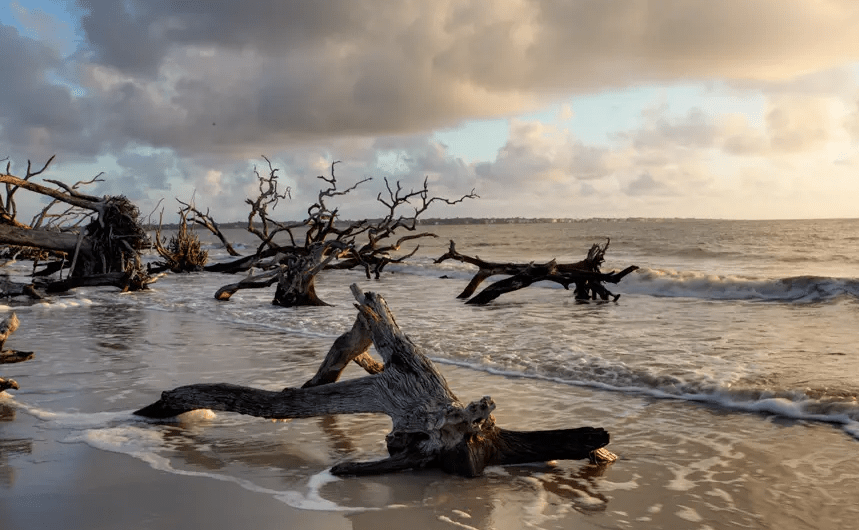
- Driftwood Beach: Located on the island’s northern end, this landscape is famous for its weathered, sun-bleached oak and pine trees. Years of soil erosion transformed the forest into a natural sculpture garden along the shoreline.
- Maritime Forest Trails: Over 20 miles of paved bike paths and dirt nature trails weave through ancient live oaks, saw palmettos, and freshwater ponds.
- Birding Hotspots: As a stop along the Colonial Coast Birding Trail, the island hosts over 300 species of birds throughout the year. South Dunes Picnic Area and St. Andrews Beach host roseate spoonbills, wood storks, and ospreys.
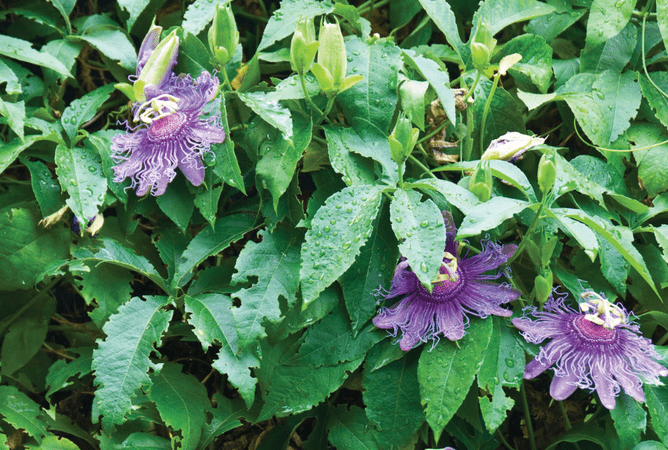
The island comes alive each Spring in vibrant color when Indian Blanket (fire wheel) red-and-gold wildflowers cover the island’s dunes and causeway. An uncommon native ground orchid, Spring Ladies Tresses, blooms in damp soils, ditches, and near ponds. The edible purple Passion Flower loves the marsh-facing beach trails.
Essential Travel Details
| Topic | Details & Recommendations |
| Best Time to Visit | Spring (March–May) for mild weather and migratory birds, or Fall (September–November) for fewer crowds and active turtle hatchlings. |
| Getting Around | Rent a bicycle or electric golf cart. The island is flat and connected by miles of dedicated bike paths, making cars largely unnecessary. |
| Park Entry Fee | A $10 daily parking pass (or $75 annual pass) is required at the entry toll plaza to support island conservation efforts. |
| Wildlife Safety | Keep a respectful distance from alligators around freshwater ponds, and leave sea turtle nests undisturbed along the dunes. |
A nature trip to Jekyll Island showcases the raw, enduring beauty of Georgia’s Golden Isles—a quiet reminder of what happens when conservation takes priority.