
Most northern residents wonder how anyone survives a summer in Florida. Every US state got a taste of our typical July weather as the US temperatures soared from sea to shining sea.
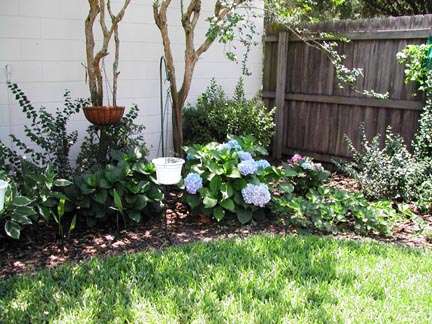
Sometimes the Florida heat gets to all of us. It can be miserable maintaining a lawn and landscaping in these summer months. But if you neglect the common jobs of trimming, fertilizing, and spraying, it will get away from you.
Central Florida hit 90° on April 2nd and had 88 days in excess of 90 so far in 2025. My Dad used to joke that weathermen in Florida have a cushy job because every summer day is 95° with a 30 percent chance of rain. That is still true, but meteorologists now report a “feels like” temperature, a heat index score. The July 2025 heat index topped 100° every day. I don’t know that it was actually hotter than years past. But being told that the air “feels like” something between 100° to 120° definitely makes it psychologically feel that way.
The Outdoor Forecast
You might think that gardening comes to a stop in during the summer months. Nope, it doesn’t. It actually takes twice the effort to keep everything under control. The backyard becomes a jungle when it rains every afternoon. The landscape turns sepia tone brown fast during droughts.
A few plants adore this typical hot, humid, sticky weather. The tropical plants like bird of paradise, orchids, hibiscus, zinnia, blanket flowers, and wild flowers thrive, and sweet potatoes, eggplant, okra, peppers, and a few smaller tomato varieties taunt Mother Nature as if to say “bring it on.”
Gardening Pro Tip
Peppers grown in heat and drought can actually taste spicier. When peppers experience stress from heat or limited water, they tend to produce more capsaicin. This is especially true when the fruit has already set on the plant before the heat and drought conditions begin.
Florida’s warm, humid weather is a perfect breeding ground for fungus diseases on plants and in the lawns. Ignoring the first warning signs is a bad idea and can lead to massive infection and a costly battle to save the landscape.
The Fight for a Beautiful Lawn
Fungus and pests can destroy a lawn, and summer in Florida is when the grasses are under attack because they are actively growing. Warm-season grass — St. Augustine, Bermuda, Zoysia — enter a dormant period when the temperatures drop below 65°. Sitting here in July that seems like a long time from now, but the transition begins in late October — so just 60 more days.
It can be tricky to diagnose lawn issues in the initial stages. Most lawn disease in Florida is caused by fungus or pests. Grass, which was thriving and green, may start to develop brown or yellow patches. Close inspection of the blades may show spots or intermittent dead threads. You might notice mushrooms pop up after a rain. These are all signs of fungus. But it’s a bad idea to start apply chemical controls without knowing exactly which adversary you’re fighting.
The University of Florida’s Horticulture website is a great place to begin your research.
Fungus infections are initially localized. You don’t need to treat the whole lawn for an early-stage fungus infection. You can pre-treat an area if you annually experience an outbreak in one section of your lawn. A simple adjustment in the irrigation spray might eliminate future problems.
Increase the mow height. The grasses in the south should never be cut by more than a third. Try mowing to a 3 or 4 inch height and never mow when the grass if wet because this can spread the pathogens.
Florida lawns are mostly sand and tend to be acidic. Soil with a high pH is a breeding ground for disease. Landscapers will often apply lime or organic nutrients to reduce the pH. This is a temporary fix. It’s very difficult and expensive to change the soil pH permanently. Testing the pH level in your lawn and garden beds is easy to do and for around $25 you can get a confirmation of your soil makeup from the Horticultural Extension in your area.
The Untended Garden
Mother Nature has her own design patterns in Florida. You quickly learn that weeds grow twice as fast as flowers. Unwanted grassy weeds can grow anywhere and often do. Huge trees start showing signs of heat stress with wilting leaves and even premature leaf drop. Trees need to release water through the limbs and leaves to keep cool, but high humidity can keep them from doing that and make them susceptible to disease, insects, and fungus.
When the garden is under stress from heat, rain, or drought, I’m often at the mercy of Mother Nature. But recognizing the transition is important to getting the plants through this rough weather.
- Water deeply. A good deep soak of roots is much better for all plants rather than a little water every day. Allow the soil to drain between watering, and water either in the early morning after dawn or near dusk to avoid evaporation.
- Refresh the mulch in the garden to insulate roots from heat and minimize moisture loss during the hot days.
- If your garden mulch has composted and developed into a thick layer, remove it. Old compacted mulch layers can prevent water from getting to the roots.
- When using an automatic irrigation system, verify how much water is being put out and where it is going. Adjust sprinklers so they hit the ground around your trees across the drip line. The drip line is the outermost edge of the plant where the water drips off the leaves during rainfall. This is where most of the plants feeder roots are located and where you want to concentrate watering.
- Hold the clippers. It’s tempting to trim back overgrown plants, but adding stress to these plants can make them vulnerable to pests and diseases. Hold off for cooler weather.
Consistency is key
Every near-perfect yard has one thing that makes it beautiful — an owner who consistently gets outside in all types of weather to care for the lawn, trees, and flowers. You have to love it, even when its 95° with a 30 percent chance of rain. It’s just summer in Florida.