
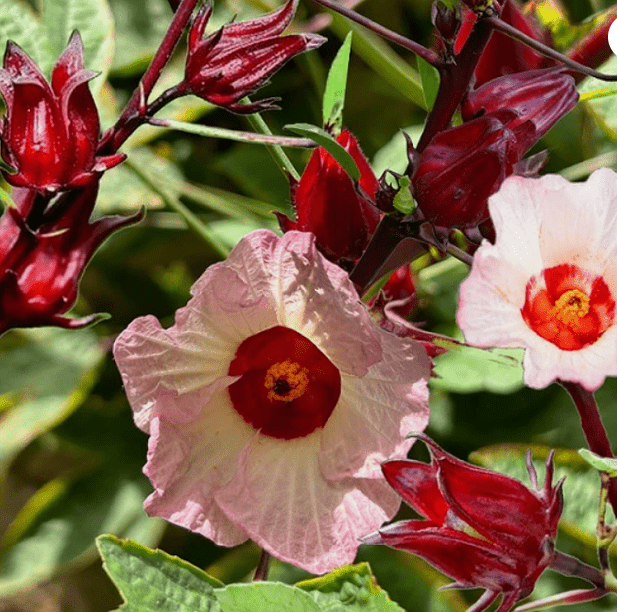
There’s something satisfying about pouring a vibrant, ruby-red cup of iced tea that you grew entirely in your back garden. Herbalists, gardeners, and tea drinkers love hibiscus for its tart, cranberry-like flavor profile, and clinical studies demonstrate that this elixir can benefit your health, too.
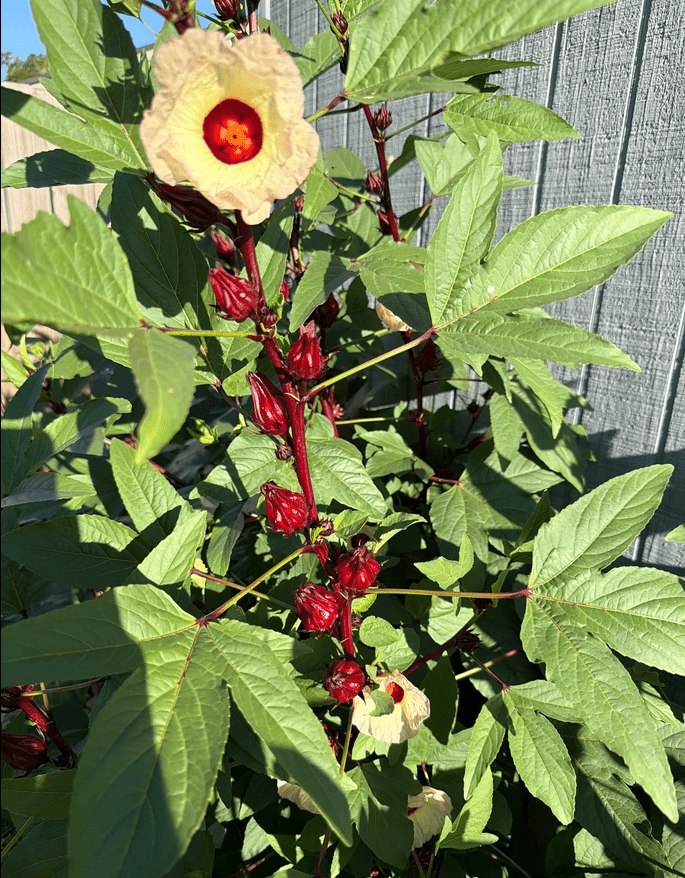
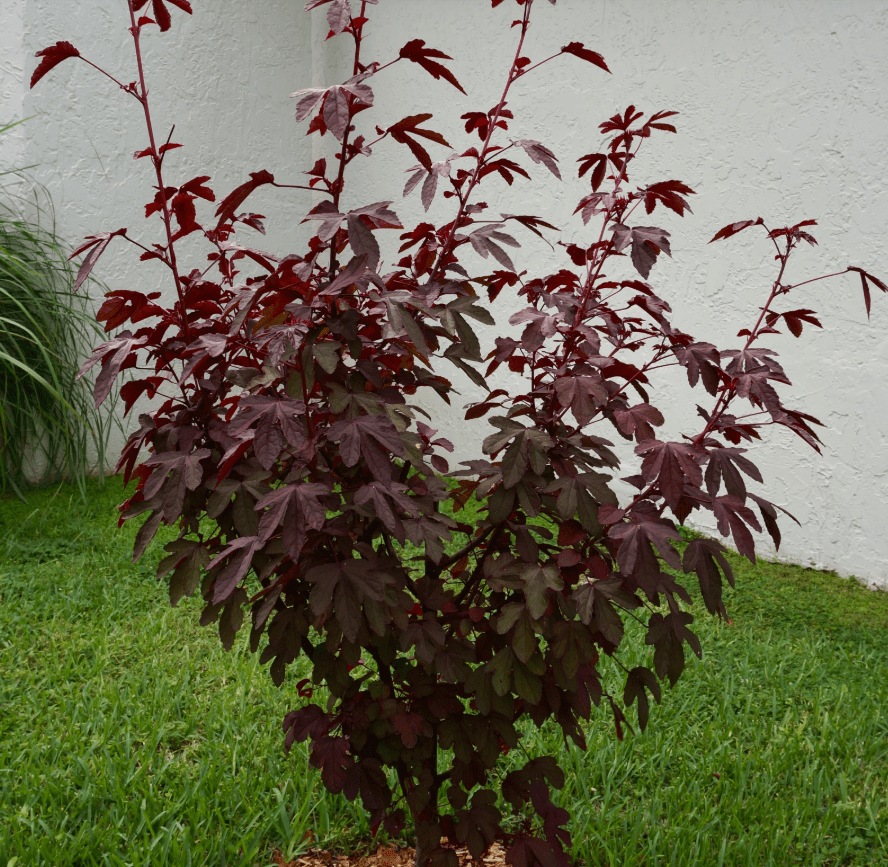
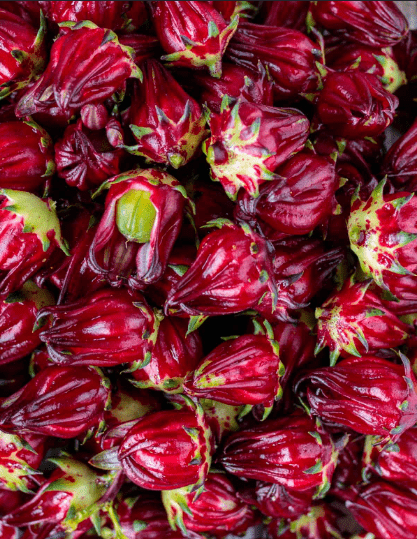
Hibiscus tea is brewed from the calyx of the hibiscus sabdariffa or Roselle plant–the fleshy deep-red sepals that enclose the seed pod after the flower blooms and drops. I bought my first Hibiscus sabdariffa almost a decade ago. Its leaves are red, and each summer its flowers are a cheerful peachy pink. It’s an annual, self-seeding plant here in Florida, and over the last 10 years, that one plant has multiplied several times over.
Benefits of Consuming Hibiscus Tea
Hibiscus tea contains bioactive compounds—including antioxidants, organic acids, and polyphenols—that offer several evidence-backed health benefits.
Key Evidence-Based Health Benefits
- Blood Pressure Management: Multiple clinical studies show that drinking 2–3 cups of hibiscus tea daily can lower both systolic and diastolic blood pressure in adults with mild-to-moderate hypertension. Its compounds act similarly to mild ACE inhibitors and natural diuretics.
- Cholesterol & Blood Lipids: Research suggests hibiscus tea helps lower LDL (“bad”) cholesterol and triglycerides while slightly increasing HDL (“good”) cholesterol, supporting overall cardiovascular health.
- High Antioxidant Capacity: The tea gets its deep crimson color from anthocyanins—strong antioxidants that neutralize free radicals, reduce chronic inflammation, and protect cells against oxidative damage.
- Liver Health Support: Studies indicate that hibiscus extracts may improve liver steatosis (fat accumulation) and boost detoxifying enzymes in the liver.
- Weight Management & Digestion: Plant compounds in hibiscus can help inhibit carbohydrate and fat absorption, supporting weight maintenance and digestion when paired with a balanced diet.
Important Precautions & Interactions
Medication Caution: Hibiscus tea acts as a natural diuretic and can lower blood pressure. It may interact with blood pressure medications, hydrochlorothiazide, and diabetes drugs. Consult a healthcare provider before drinking it regularly if taking prescription medication.
Quick Stats
- Plant Type: Tropical perennial grown as a summer annual in cooler climates.
- Sunlight Needed: Full sun (6 to 8+ hours daily).
- Space Required: 3 to 4 feet per plant (they grow fast and bushy).
- Days to Harvest: 90–120 days for calyces (autumn).
1. Growing Roselle: What It Needs to Thrive
Roselle is closely related to okra and cotton, which means it loves warmth, light, and humidity.
Starting from Seed
Roselle seeds have a tough outer coat. Lightly nick the seeds with sandpaper (scarification) and soak them in warm water overnight before planting to encourage faster germination.
- Cooler Climates: Start seeds indoors 6–8 weeks before your last spring frost.
- Warm Climates: Direct-sow once soil temperatures consistently pass 75°F (24°C).
Site & Soil Setup
- Give Them Room: Space each plant 3 to 4 feet apart. Mature plants reach 5–7 feet tall and wide.
- Soil & Feeding: Use well-draining soil rich in organic compost. Avoid high-nitrogen fertilizers once established; too much nitrogen yields massive leafy foliage with fewer flower pods.
Pro-Tip: Pinch back the growing tips when your young plant hits 12–18 inches in height. This forces the plant to branch horizontally, yielding up to twice as many calyces later in the season.
2. Companion Planting & Organic Pest Control
Like many members of the Malvaceae (mallow) family, Roselle can occasionally attract a few persistent garden pests. Thoughtful companion planting and natural pest management keep your foliage healthy without applying harsh chemicals to plants you intend to steep and drink.
Top Companion Plants
- Sweet Basil & Marigolds: Planting basil or French marigolds around the base deters aphids, whiteflies, and root-knot nematodes with their strong aromatic scents.
- Sunflowers & Nasturtiums: Use these as “trap crops.” Aphids and flea beetles prefer nasturtiums and sunflower stems over Roselle, drawing them away from your tea harvest.
- Lemongrass or Alliums (Garlic/Chives): Garlic and onion chives act as physical deterrents for leafhoppers and spider mites.
Organic Pest Management
- Aphids & Spider Mites: Check the undersides of leaves early in the season. Spray minor infestations with a firm blast of water from a garden hose. For larger populations, apply organic insecticidal soap or diluted neem oil in the early morning or late evening.
- Japanese Beetles & Caterpillar Defoliators: Hand-pick larger pests off the leaves and drop them into a bucket of soapy water.
- Root-Knot Nematodes: Roselle is particularly sensitive to root nematodes. Avoid planting Roselle where you grew okra or tomatoes the previous year, and amend soil heavily with organic compost or composted manure before planting.
3. The Harvest: Timing Is Everything
Roselle is a short-day plant, meaning flowering is triggered as the days shorten in late summer and early autumn.
1. Wait for the Bloom to Drop: 10 to 14 days after flowering.
The flowers open for just a single day before dropping off. Once the petals drop, the base of the flower (the calyx) will begin to swell rapidly.
2. Check for Firmness: Harvest before woodiness sets in.
Wait until the red calyces are about 1–1.5 inches long, fleshy, firm, and bright crimson. If you leave them on the plant too long, they turn tough and woody.
3. Clip at the Stem: Use sharp hand pruners.
Snip each calyx from the main branch where it meets the stem. Harvesting every few days prompts the plant to keep producing new blooms until the first frost.
4. How to Process & Dry Calyces
Before making tea, separate the fleshy red sepals from the green seed capsule inside.
- Rinse & Clean: Wash harvested calyces under cool water to remove dust and garden hitchhikers, then pat dry thoroughly.
- De-Seed (Decalyx): Cut off the bottom tip of the red base with a paring knife. You can then push the green seed pod out through the top, or slice down one side to peel away the red petals. Discard the green seed pods (or save them for next year’s seeds).
- Dehydrate or Air-Dry:
- Dehydrator: Lay pieces on trays without overlapping and dry at 105°F–115°F (40°C–46°C) for 8 to 12 hours until brittle.
- Air Drying: Spread on drying racks out of direct sunlight in a warm, ventilated room for 3 to 7 days.
Store your dried hibiscus in an airtight container away from direct light—it will stay fresh for up to a year!
Simple Fresh or Dried Hibiscus Tea Recipe
Instructions:
- Bring two cups of water to a rolling boil.
- Place the hibiscus in a heat-proof jar or teapot and pour the boiling water over top.
- Cover and steep for 10–15 minutes (it will turn deep ruby red).
- Strain out the calyces. Hibiscus is naturally tart, so stir in your sweetener while warm.
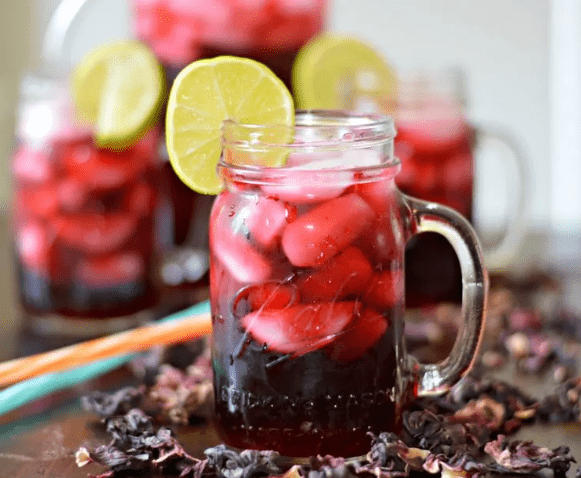
- Serve steaming hot, or pour over ice with a squeeze of lime for an incredible refresher.
Hibiscus tea has a bold, tart, cranberry-like profile that pairs exceptionally well with sweet, citrusy, herbal, and warm spiced flavorings.
Citrus & Fruit Enhancers
- Fresh Lime or Lemon Juice: Brightens the tartness and creates a classic Agua de Jamaica base.
- Orange or Blood Orange Slices: Adds natural sweetness and a floral citrus aroma that softens the bite.
- Pineapple Juice or Passion Fruit: Blends tropical sweetness directly with the sharp herbal notes.
- Muddled Berries: Raspberries, strawberries, or blackberries complement the deep ruby color and fruity undertones.
Warm Spices & Aromatics
- Cinnamon Stick: Steeped whole in hot tea to introduce cozy, rounded sweetness (popular in Caribbean and West African preparations).
- Fresh Ginger: Sliced or grated during steeping for a sharp, warming kick that cuts through the tartness.
- Allspice Berries or Cloves: Adds depth and complexity, especially for autumn/winter hot tea variations.
- Vanilla Extract: A drop of pure vanilla mellows the acidity and creates a smooth dessert-like flavor.
Fresh Herbs
- Spearmint or Peppermint: Muddled into cold-brewed hibiscus for an ultra-refreshing iced drink.
- Fresh Basil: Adds an earthy, slightly sweet herbaceous balance.
- Rosemary or Thyme: Works best in an infused simple syrup for a piney, gourmet twist.
Sweeteners & Mix-Ins
- Raw Honey or Agave Nectar: Dissolves easily and coats the palate, balancing the natural astringency.
- Ginger Ale or Sparkling Water: Transforms chilled hibiscus tea into a fizzy mocktail.